Tlilxochitl — La Flor Negra
Tlilxochitl — The Black Flower
Un legado de
2,000 años
A legacy of
2,000 years
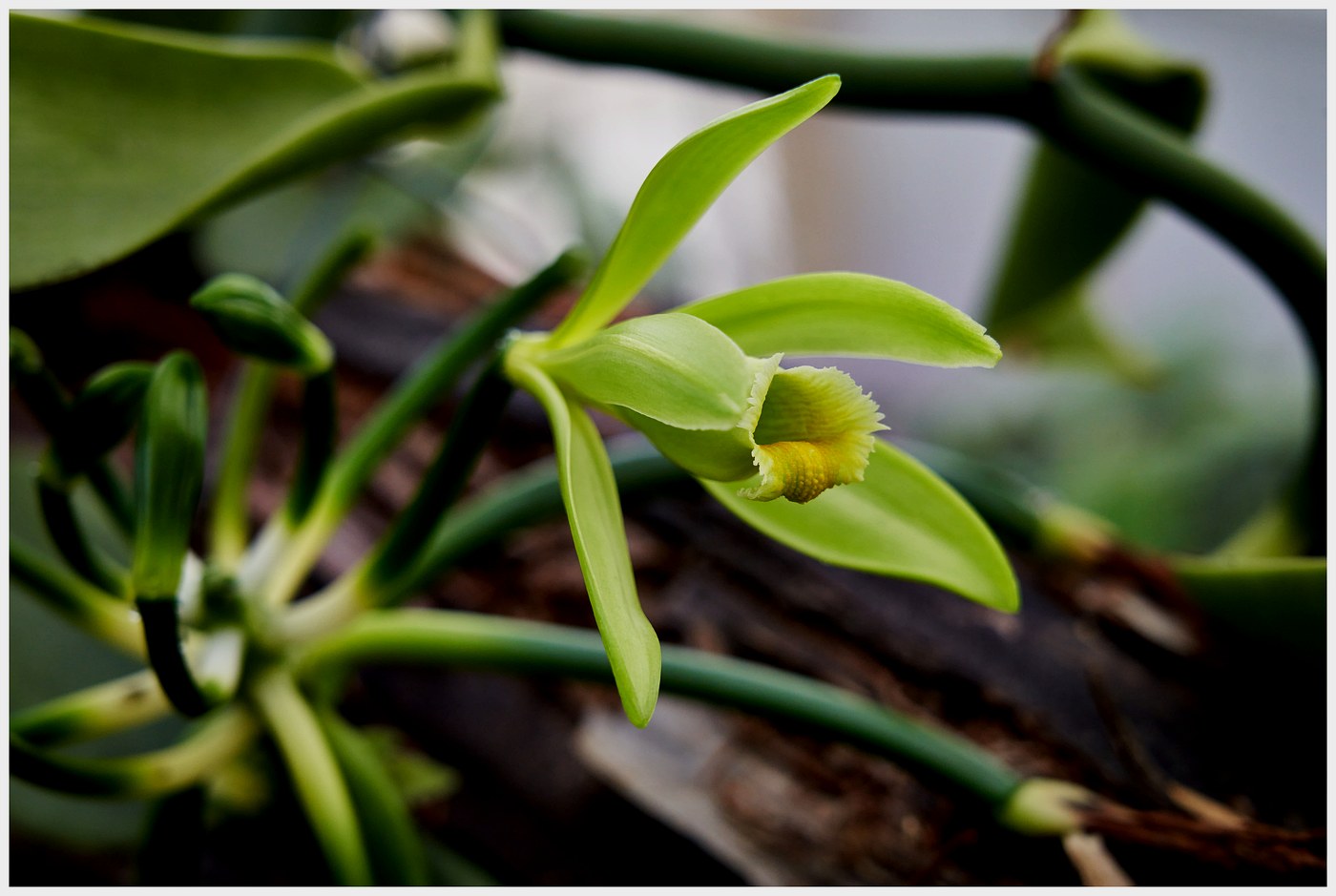
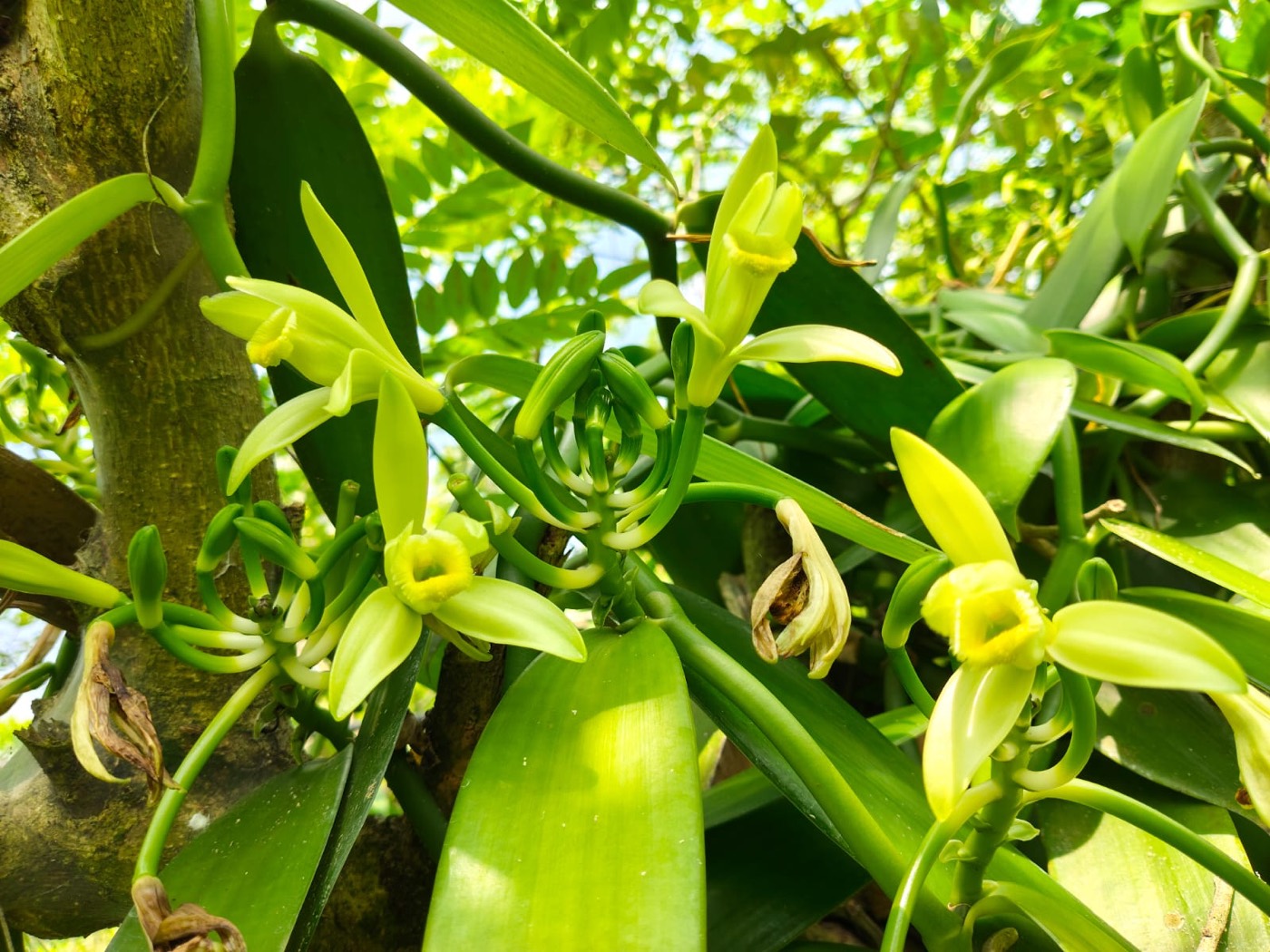
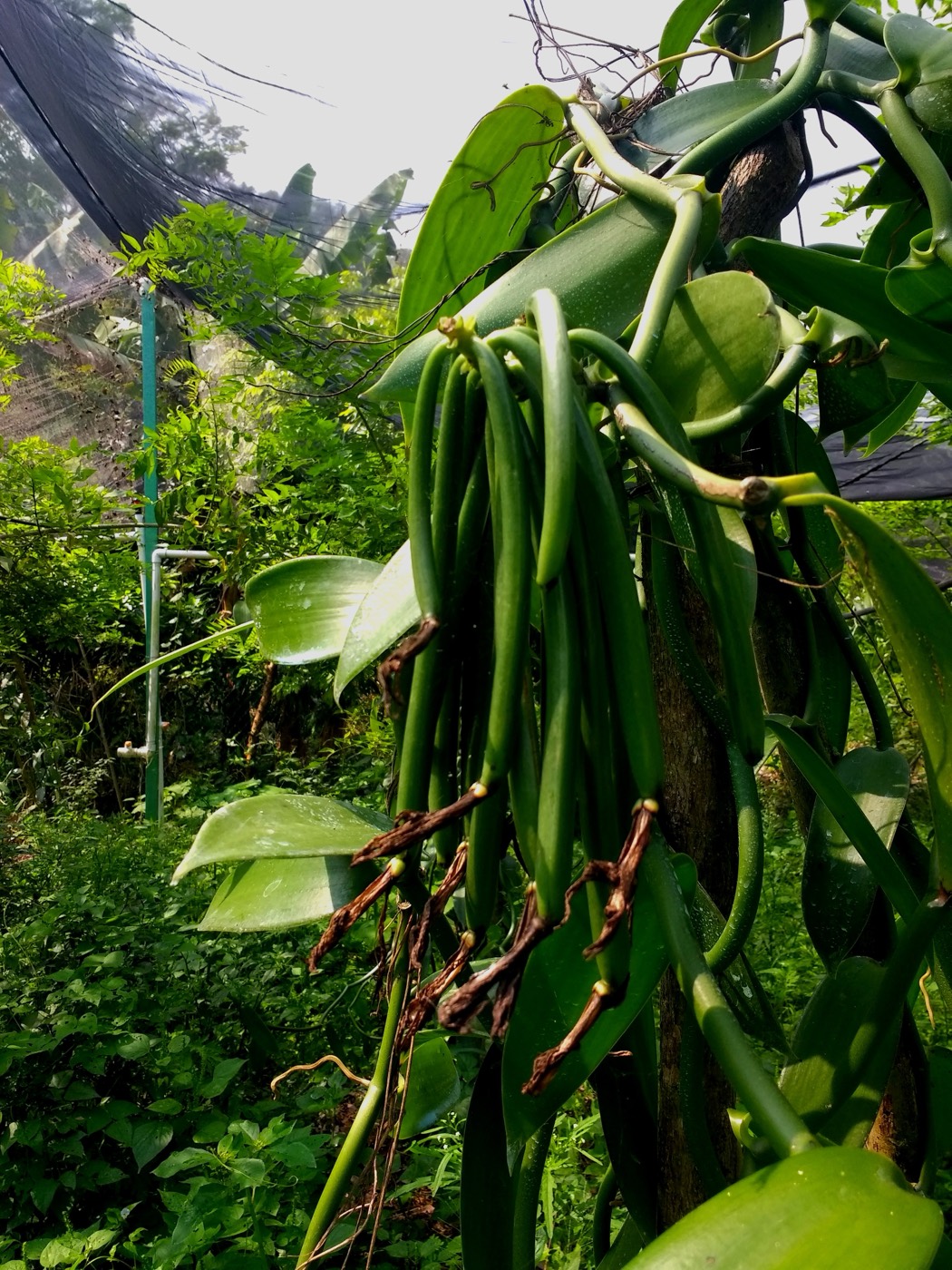
Fueron los totonacas quienes, hacia el siglo XII, comenzaron a cultivar la orquídea trepadora que llamaban xanat — "la flor escondida". Era ofrenda al señor del monte, ingrediente sagrado, símbolo de vida. Cuando el imperio mexica sometió el Totonacapan entre 1427 y 1440, la vainilla se volvió uno de los tributos más codiciados.
It was the Totonacs who, around the 12th century, began cultivating the climbing orchid they called xanat — "the hidden flower." It was an offering to the forest lord, a sacred ingredient, a symbol of life. When the Aztec empire subjugated Totonacapan between 1427 and 1440, vanilla became one of its most coveted tributes.
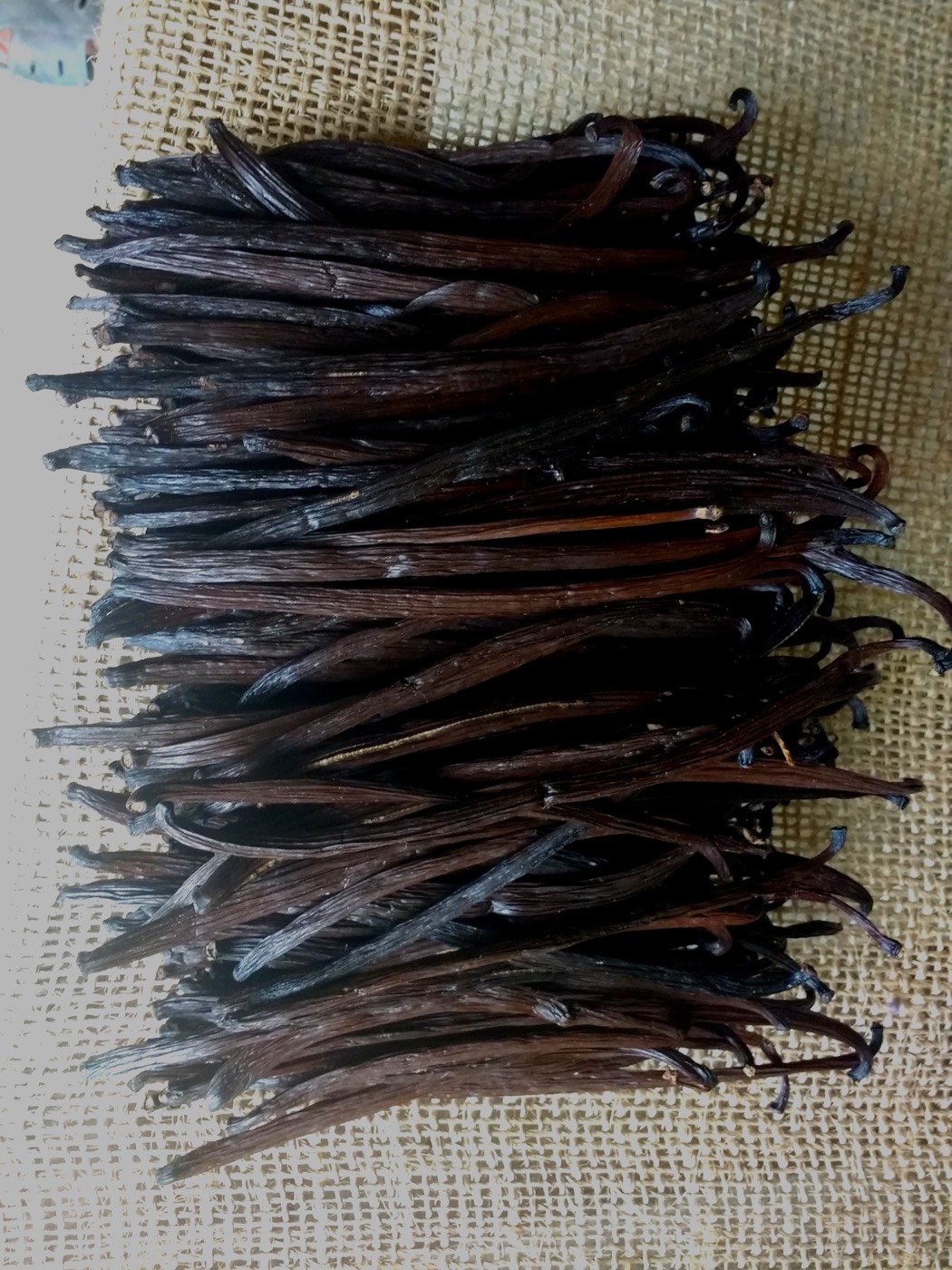
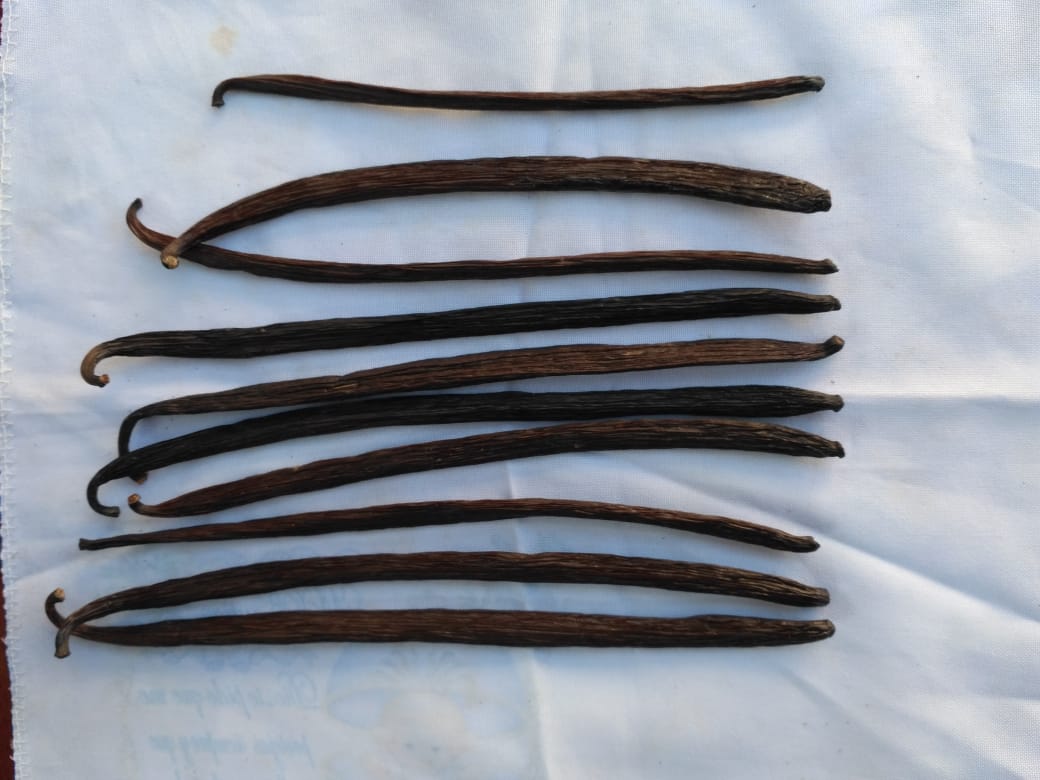
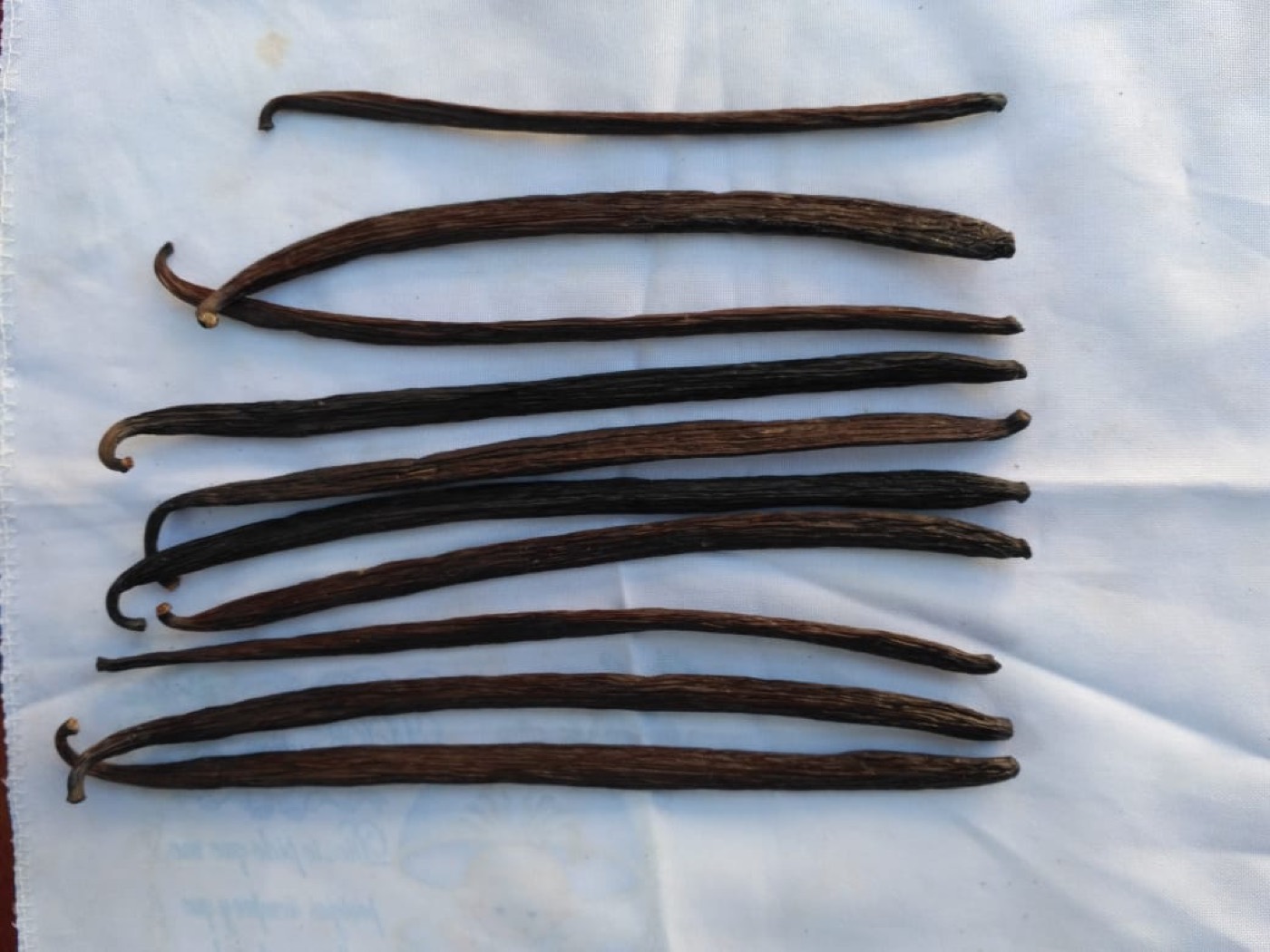
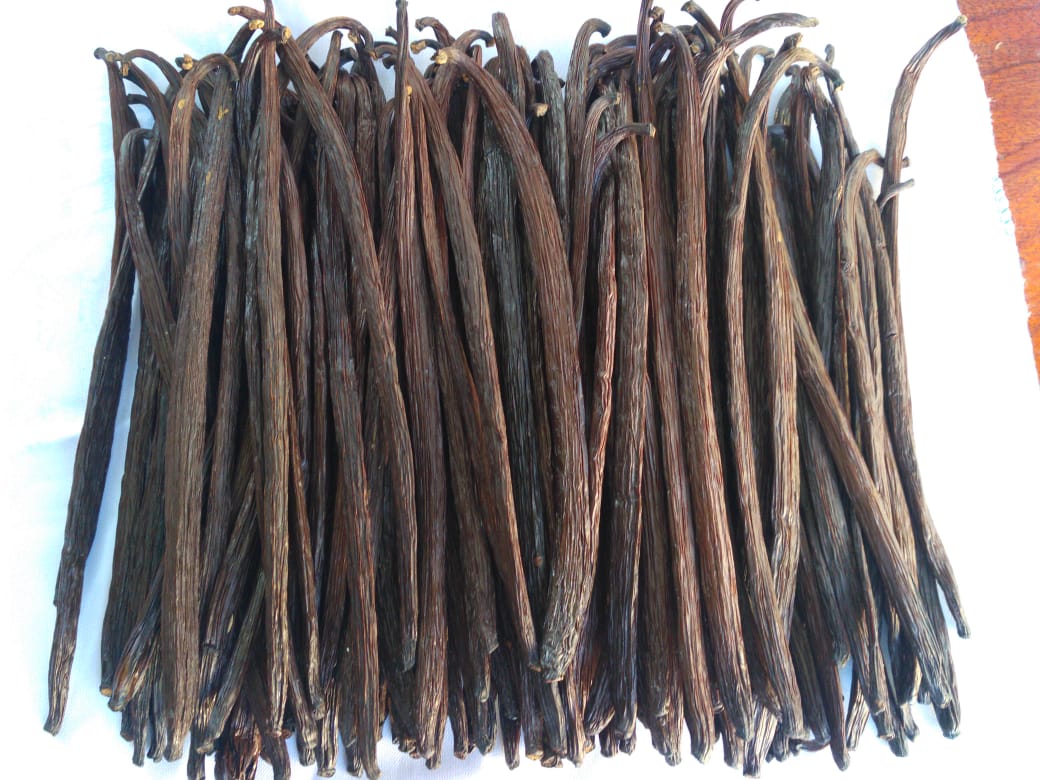
Los aztecas la nombraron Tlilxochitl — de tilli, negro, y xochitl, flor — por la vaina oscura y curtida que emerge del beneficiado. El Códice Florentino del siglo XVI documenta su uso en el cacahuatl, bebida de cacao aromatizada con vainilla reservada exclusivamente a señores y guerreros de élite.
The Aztecs named it Tlilxochitl — from tilli, black, and xochitl, flower — for the dark, cured pod that emerges from processing. The 16th-century Florentine Codex documents its use in cacahuatl, a cacao drink flavored with vanilla reserved exclusively for lords and elite warriors.
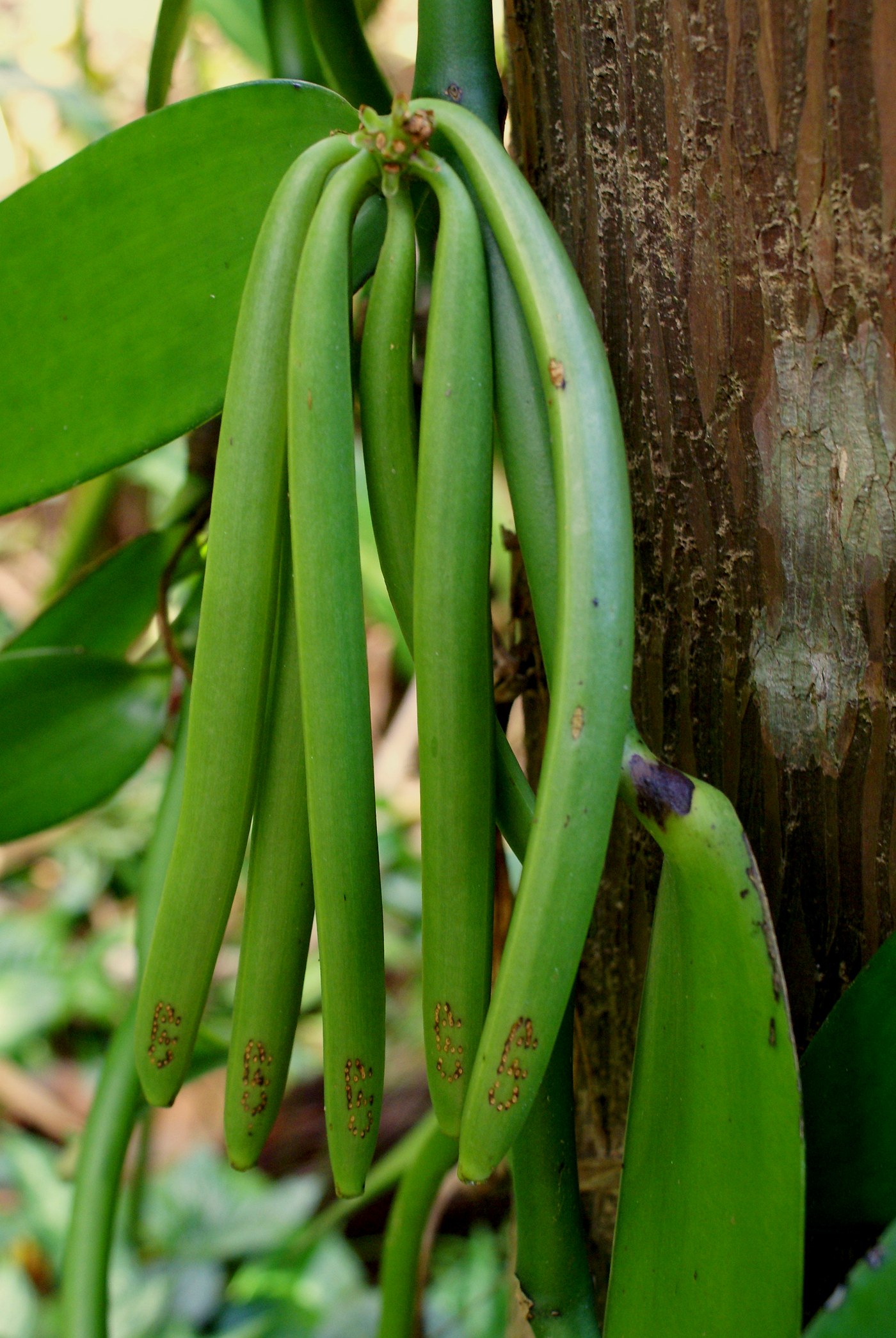
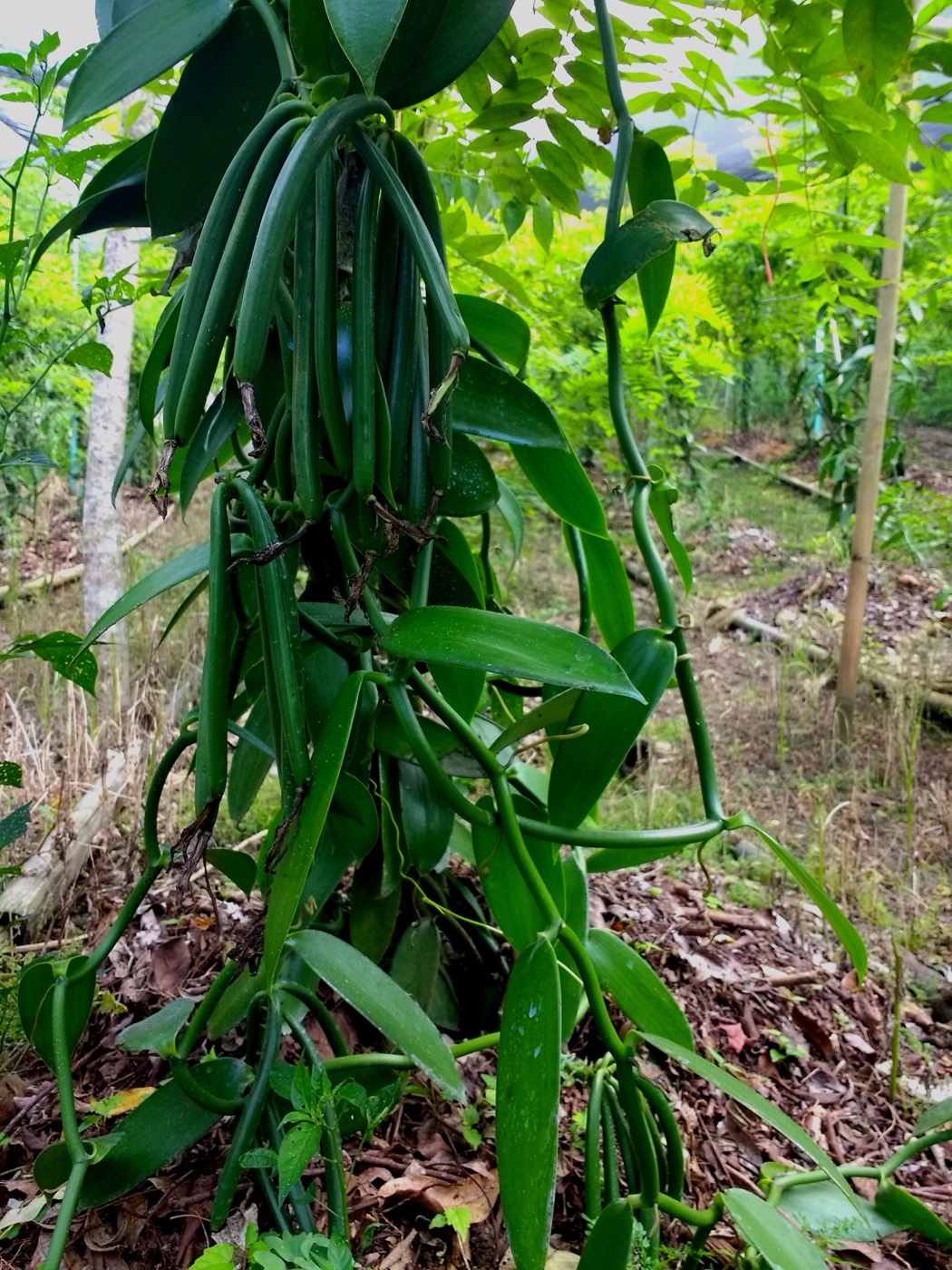
"Una sola vaina tardó nueve meses en crecer para llegar a ti. Ese tiempo se siente en cada gota."
"A single pod took nine months to grow before reaching you. That time is felt in every drop."
Durante casi trescientos años, México mantuvo el monopolio absoluto de la vainilla en el mundo. Nadie fuera de estas tierras lograba que la planta produjera fruto: sus polinizadores nativos — las abejas sin aguijón Melipona — existían solo en la selva mesoamericana.
For nearly three hundred years, Mexico held the world's absolute vanilla monopoly. No one outside these lands could get the plant to bear fruit: its native pollinators — the stingless Melipona bees — existed only in the Mesoamerican jungle.